
The Role of Luck in Casino Games
Luck is often considered a significant factor in the outcomes of casino games. Many players believe that their fortune can dictate the results, especially in games like slots or roulette, where chance plays a predominant role. The random nature of these games can create the illusion that luck is the main influencer of success, particularly when engaging with an online casino fast withdrawal uk that offers quick payouts. This belief is common among those who have experienced streaks of both wins and losses, further solidifying the notion that luck is a major component in the casino environment.
However, while luck undoubtedly has its part to play, it’s essential to understand that various factors also contribute to winning at a casino. Players may have perceptions influenced by anecdotal experiences, leading them to think that certain times or rituals can affect luck. For instance, some individuals believe that playing at specific times of the day or adopting lucky charms can enhance their chances. While such beliefs may boost morale or enhance the gaming experience, they do not change the inherent odds set by the casino.
Ultimately, luck’s contribution can vary widely from one player to another and is particularly evident in short-term gameplay. Long-term success at a casino often depends on skill, strategy, and understanding the mechanics of the game. While the allure of winning based on luck remains, it should not overshadow the importance of knowledge and informed decision-making in maximizing one’s potential for success.
Understanding Game Odds and House Edge
To better understand how luck interacts with success at a casino, it’s crucial to examine the odds of various games. Each game has a specific house edge, representing the statistical advantage that the casino holds over players. For example, games like blackjack often have a lower house edge when played with optimal strategy compared to games like slots, which are predominately luck-based. Recognizing these odds can help players make more informed decisions about where to invest their money.
The concept of the house edge illustrates that while luck can lead to a temporary win, mathemetically, the casino is designed to win in the long run. Players who rely solely on luck without understanding the implications of these odds may find their success fleeting. Therefore, grasping the fundamental mechanics of each game is integral to developing a viable approach that balances luck and strategy, thereby improving overall outcomes.
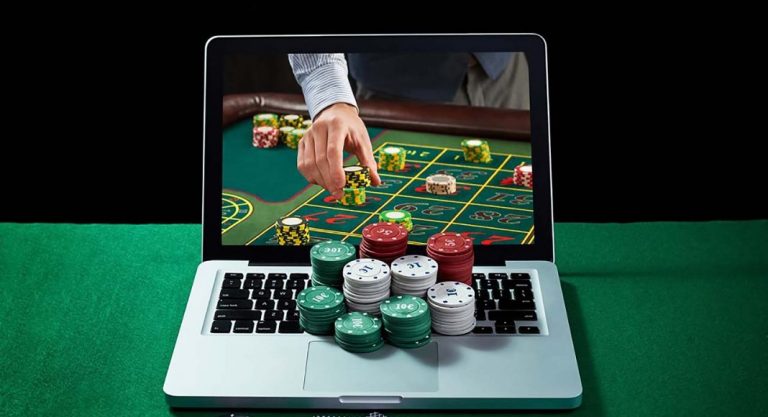
As players delve deeper into understanding game odds, they may discover strategies that maximize their chances of winning while minimizing losses. This knowledge does not negate the role of luck, but it equips players to navigate the unpredictability of the games more effectively. Ultimately, being educated about game dynamics can greatly enhance the ability to make well-informed choices, blending luck with skill to forge a path to potential success.
The Psychological Aspect of Luck
The psychological components of gambling can significantly influence how players perceive luck and success. Many individuals enter a casino with a mindset predisposed to believe in luck’s power, often leading to heightened emotions that can affect decision-making. The thrill of the game, coupled with the anticipation of winning, creates a unique psychological experience that can make people feel more fortunate than they are. This emotional investment can contribute to behaviors that impact overall success.
Moreover, cognitive biases can skew players’ perceptions of luck. For instance, the ‘gambler’s fallacy’ leads players to believe that past outcomes affect future results, leading them to chase losses or stick to “winning” strategies based on previous experiences. These beliefs can culminate in unrealistic expectations, potentially resulting in significant financial loss over time. Understanding these psychological factors allows players to better manage their expectations and approach their gaming experiences with a more grounded mindset.
Addressing the psychological aspects of gambling can promote healthier behaviors that align more with long-term success rather than fleeting moments of luck. By recognizing the emotional triggers that surface during gameplay, players can foster a more balanced relationship with risk. This conscious approach can help maintain focus on strategic play, thereby allowing luck to play its part without overshadowing informed decision-making.
Strategies to Balance Luck and Skill
While luck is an inherent part of casino games, implementing strategies can help players leverage both luck and skill for better outcomes. For example, games like poker highlight how skill plays a pivotal role in determining success, as players must utilize their knowledge, experience, and psychological acumen to outmaneuver opponents. Understanding game theory and practicing strategic thinking can greatly enhance one’s chances of success in skill-based games, illustrating how luck can work in tandem with informed play.
Additionally, bankroll management remains an essential strategy for players aiming to maximize success. Establishing a budget and adhering to it enables players to allocate their funds wisely, reducing the risk of chasing losses. By setting limits and understanding personal risk tolerance, players can enjoy their gaming experience while minimizing reliance on luck alone. This approach encourages a more disciplined mindset, ensuring that the potential for success is not solely dictated by fortune.
Lastly, diversifying the types of games played can also contribute to a balanced strategy. Engaging in both luck-based and skill-based games allows players to explore different opportunities for success while gaining a more comprehensive understanding of the casino landscape. This well-rounded approach can lead to better decision-making processes, where both luck and skill coalesce to enhance the overall gaming experience, ultimately boosting the likelihood of success.
Conclusion and Insights on Successful Gameplay
In conclusion, while luck undeniably plays a significant role in the outcomes at a casino, it operates best in conjunction with informed strategies and a sound understanding of game dynamics. Players should recognize the importance of balancing luck with skill and knowledge to enhance their chances of success. Acknowledging the relationship between psychological factors and gaming behavior can further empower players to make more responsible choices during their gambling experiences.
Ultimately, success at a casino is not merely a product of luck; it is a complex interplay of various factors, including game choices, strategies, and player psychology. By adopting a holistic approach that emphasizes education and self-awareness, individuals can navigate the unpredictable nature of gambling more effectively. They can potentially increase their success while enjoying the thrill of the games.
Understanding these elements is key to developing a savvy approach to casino play. As players seek out the thrill associated with luck, they should not overlook the benefits of strategy, knowledge, and responsible gaming practices. This balanced perspective can lead to more enjoyable and successful gaming experiences, allowing luck to serve as an exciting added element rather than the sole determinant of success.